
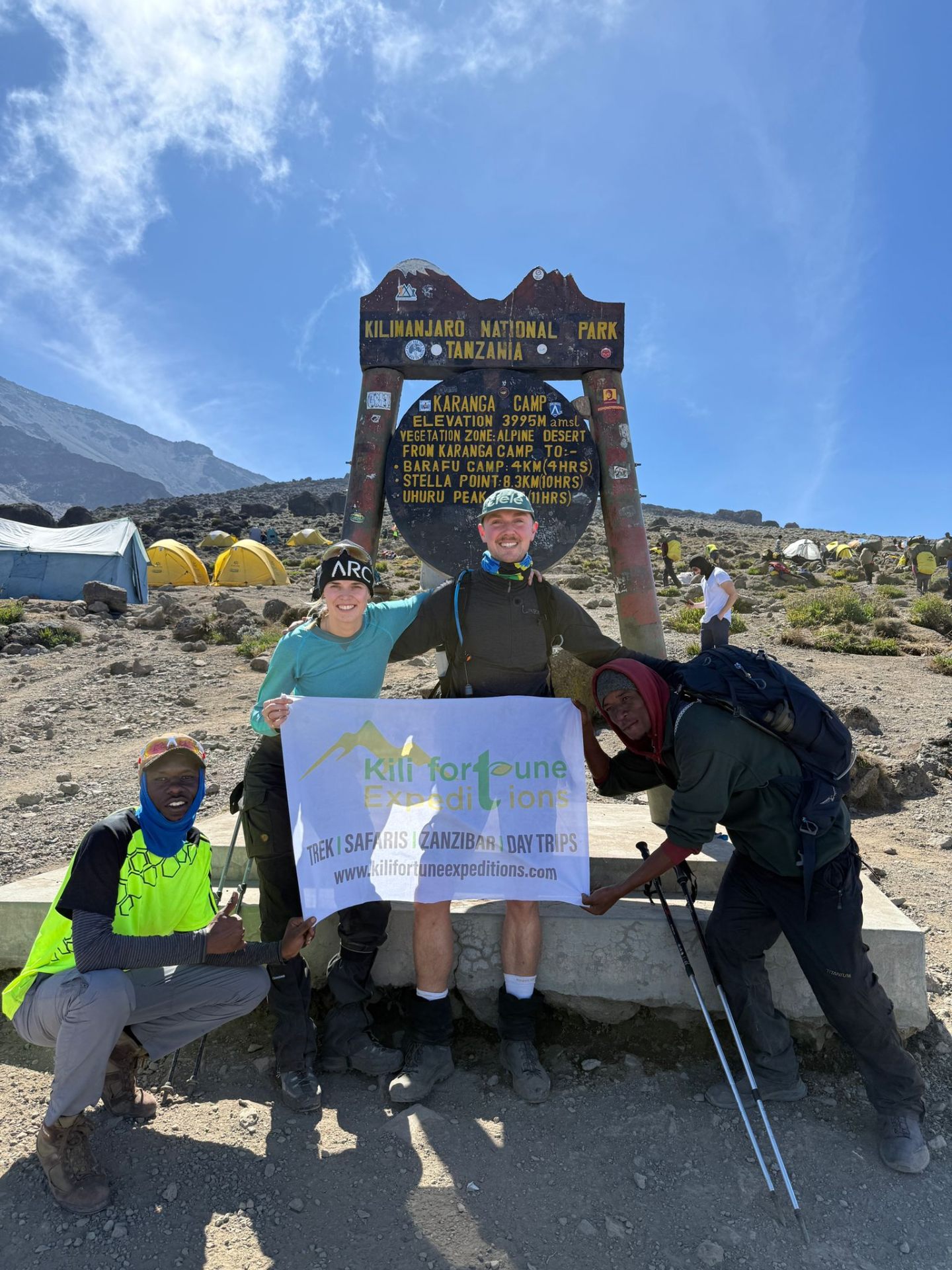
Before You Climb
Trek preparation, from the team who summits every week.
Training, gear, altitude, and mindset, everything you need to arrive in Moshi ready for the mountain.
01 / 06
Fitness & Training
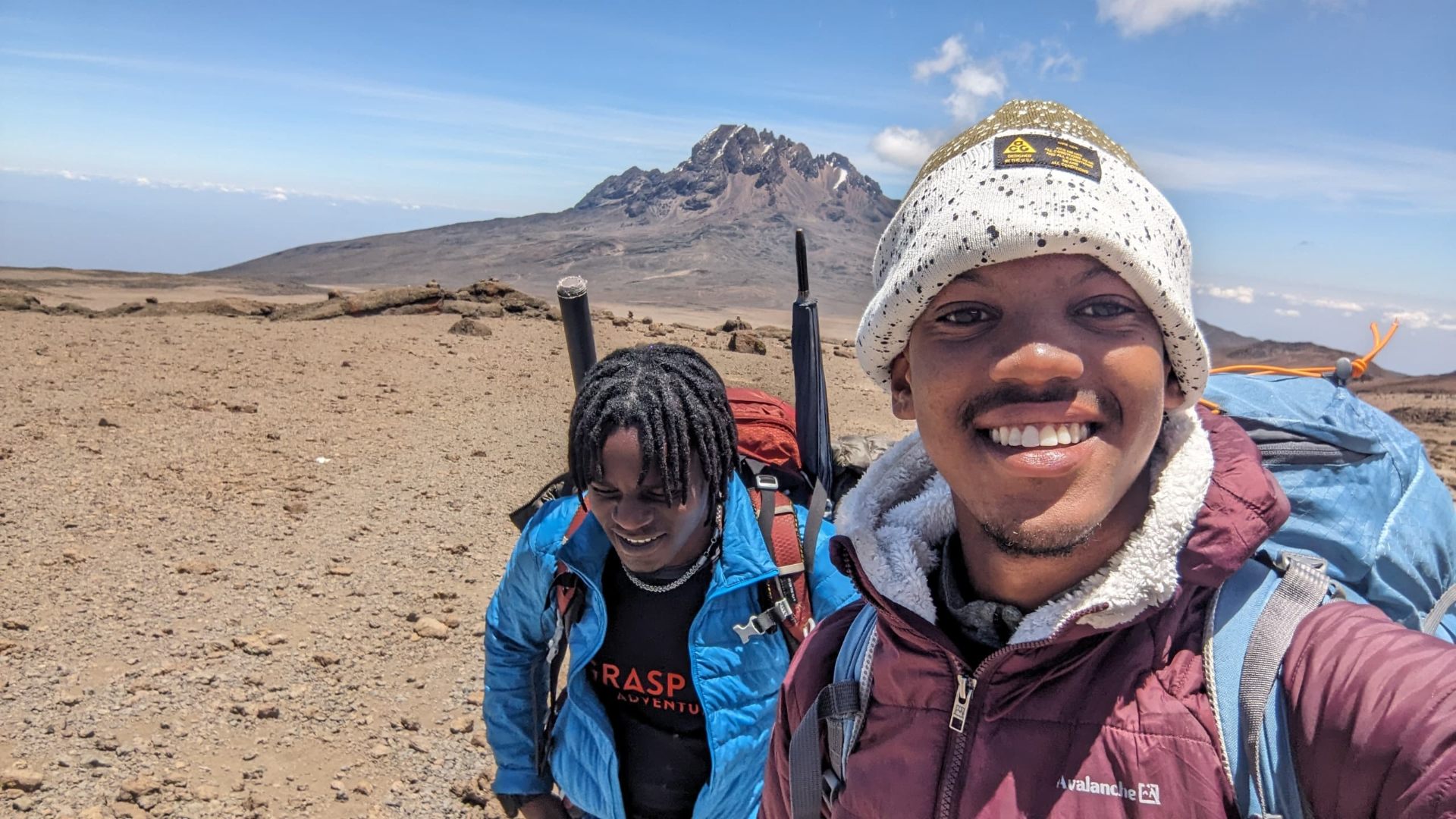
Kilimanjaro is a long, high hike, not a technical climb. The fitter you arrive, the more you'll enjoy every day on the mountain.
- Start 10–12 weeks out with 3–4 cardio sessions a week (running, cycling, stair climbing).
- Add weekly long hikes of 4–7 hours, ideally on hills, with a loaded 6–8 kg daypack.
- Include 2 strength sessions a week focused on legs, core, and back.
- In the final month, back-to-back hiking weekends simulate consecutive trek days.
02 / 06
Acclimatisation & Altitude
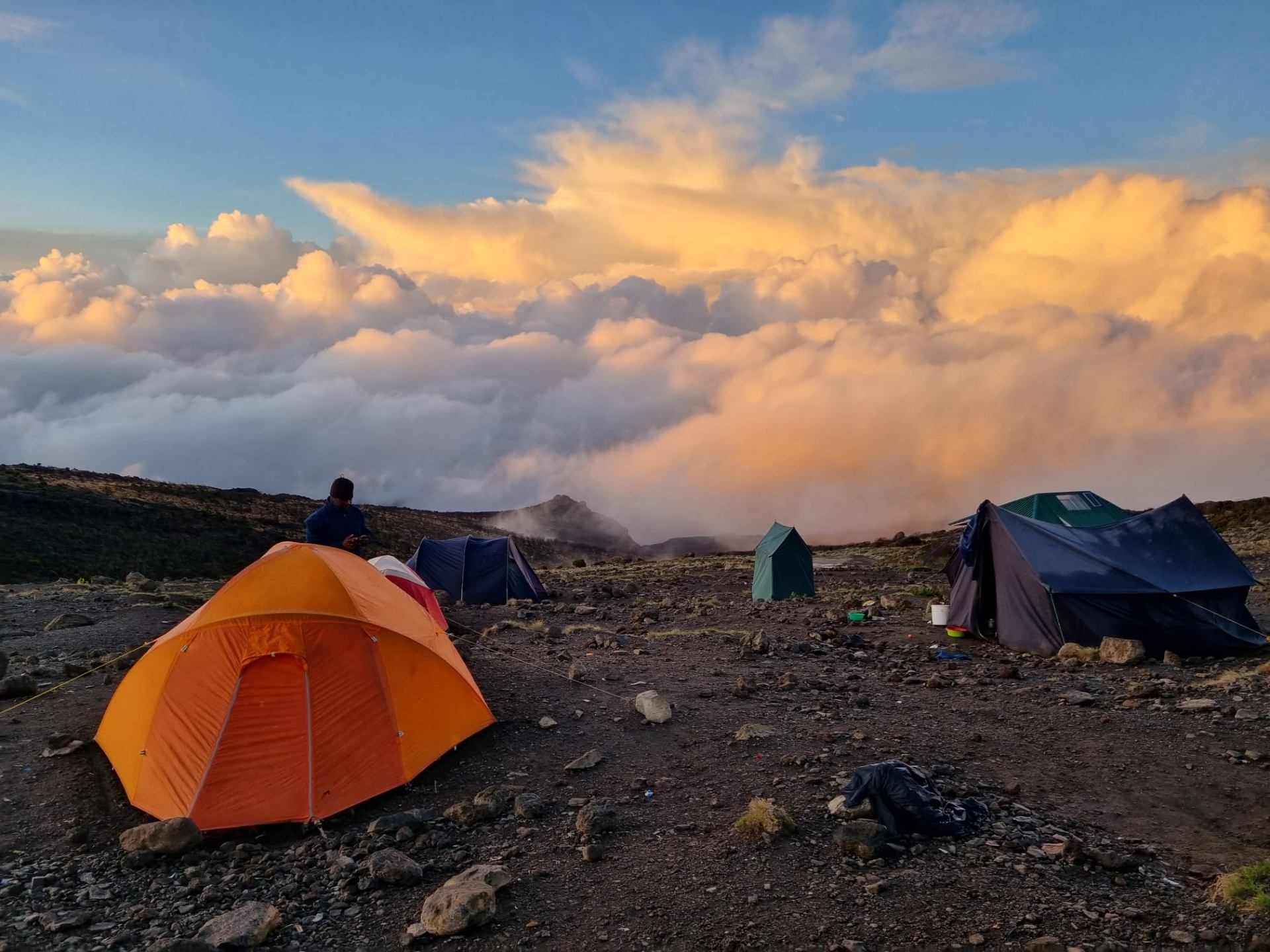
Success on Kilimanjaro is decided by acclimatisation, not fitness. Choose longer routes and follow the golden rules.
- We recommend 8–9 day itineraries (Lemosho / Northern Circuit) for a 95%+ summit rate.
- Walk pole pole, slowly, every day, even when you feel strong.
- Drink 3–4 litres of water daily. Dehydration mimics and worsens altitude sickness.
- Sleep low, climb high: our itineraries build in acclimatisation hikes.
- Guides check oxygen saturation and pulse twice daily with a pulse oximeter.
03 / 06
Health & Medical
See your travel doctor 6–8 weeks before departure to review vaccinations and altitude medication.
- Discuss Diamox (acetazolamide) with your doctor, most climbers benefit from it.
- Yellow fever certificate required if arriving from an endemic country.
- Consider malaria prophylaxis if extending to safari or Zanzibar.
- Comprehensive travel insurance covering trekking to 6,000 m and helicopter evacuation is mandatory.
04 / 06
Gear Checklist
Bring technical layers you trust. Bulky items can be rented in Moshi at our office, ask us in advance.
- Waterproof hiking boots (broken in) + camp shoes.
- Base layers, fleece mid-layer, insulated down jacket (–10 °C rated), hardshell jacket & trousers.
- Hiking trousers, thermal leggings, warm hat, sun hat, buff, gloves (liner + insulated).
- 4-season sleeping bag (–15 °C comfort). Rentals available.
- 45–65 L duffel (porter-carried) + 25–30 L daypack with rain cover.
- Head torch, trekking poles, sunglasses (Cat 3–4), sunscreen SPF 50, lip balm.
- 1 L water bottle + 2–3 L hydration bladder, water purification tablets.
05 / 06
On the Mountain
Camp life is simple and communal. Here's what a typical day looks like.
- Wake-up tea at 06:30, hot breakfast, on the trail by 08:00.
- 4–7 hours of hiking with a hot picnic or lunch stop.
- Arrive at camp, tea and popcorn, warm wash water delivered to your tent.
- Health check, three-course dinner, briefing for the next day, lights out by 21:00.
- Summit night begins around midnight for sunrise on Uhuru Peak.
06 / 06
Mental Preparation
The mountain rewards patience. Expect cold, thin air, and moments of doubt, and expect to overcome them.
- Break the climb into one day, then one hour, then one step at a time.
- Eat even when you're not hungry, drink even when you're not thirsty.
- Talk to your guides, early honesty about symptoms keeps you climbing.
- Trust the process: our team has walked this path thousands of times.
Ready to plan?